Influencer Marketing for D2C Brands in India
How D2C brands in India use creators to launch, build trust and grow sales: which creators to pick, formats that convert and how to scale what works.
The short version
D2C brands lack the in-store trust shelf brands enjoy; creators supply it by showing the product in real use. Start with 8–15 niche micro-creators, use review, routine and before/after formats, and secure usage rights so the best videos can run as ads. Then re-book the top performers monthly.
Key takeaways
- New D2C brands lack the trust of shelf brands; creators supply it by showing the product in real use.
- Micro-creators in a tight niche usually drive more sales per rupee than big names.
- Demos, honest reviews, routines and before/after content convert best.
- The real win is reusing creator videos as ads — they often beat studio ads.
- Scale by re-booking top performers on monthly deals, not by starting from zero each launch.
Why creators matter more for D2C
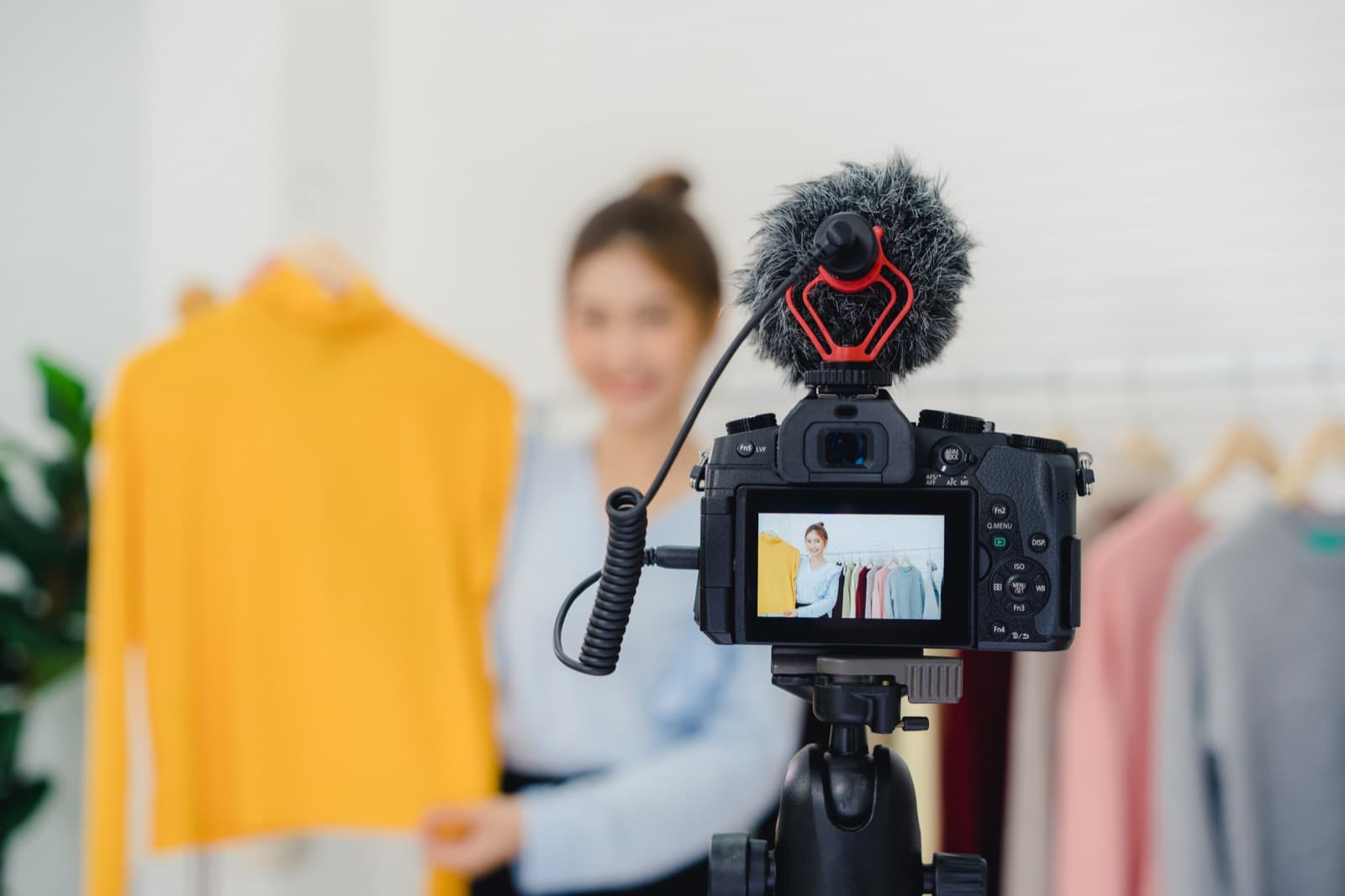
A shopper in a store can pick up a product, read the label and trust the shop. A D2C brand selling only online has none of that. The first question every new visitor has is: "Is this real, and does it work?" A creator using your product on camera answers it better than any product page.
Choosing creators for a D2C launch
- Match the niche tightly. A skincare brand should start with beauty creators; a snack brand with food creators.
- Favour micro-creators. 10K–100K followers, high engagement, affordable — see nano vs micro vs macro.
- Check delivery reach. Make sure the creator's audience lives where you ship.
- Look for 'explainers'. Creators who already review and compare products convert better than pure lifestyle accounts.
Formats that sell
| Format | Why it works | Best for |
|---|---|---|
| Honest review | Answers doubts directly | Skincare, gadgets, supplements |
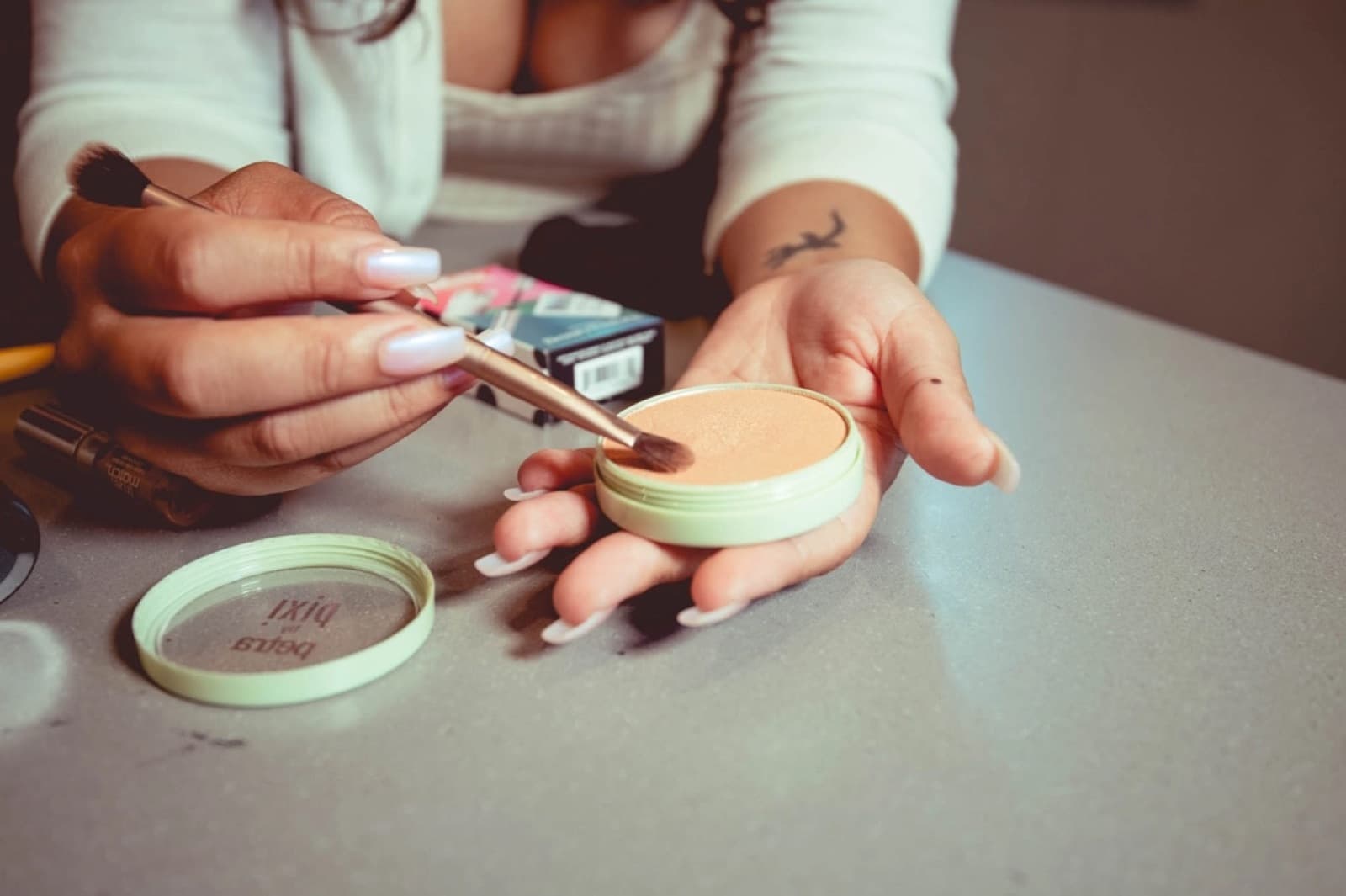
| Routine / day-in-life | Shows the product in real use | Beauty, wellness, fashion |
| Unboxing | Shows packaging and value | Gifting, premium products |
| Before / after | Visible proof of results | Skincare, hair, home cleaning |
| Recipe / tutorial | Teaches while selling | Food, kitchen, crafts |
Turn creator videos into ads
The biggest lever for D2C brands is reusing creator content as paid ads. Agree usage rights upfront (it usually adds 20–50% to the fee), then run the best videos as ads. Real people talking about a product often cost less per sale than polished brand ads. Our guide on UGC vs influencer marketing explains when to buy content only.
From one campaign to a growth engine
- Launch with 8–15 micro-creators and unique codes.
- After 30 days, rank them by cost per order.
- Re-book the top third on monthly deals; drop the rest.
- Turn the best videos into ads and refresh them every few weeks.
- Add a new batch of creators each month to keep finding winners.
Want the first batch picked for you? Send us your brief — the shortlist is free.
Quick answers
How much should a new D2C brand spend on influencers?
+
Many start with a test budget of ₹1–3 lakh across 8–15 micro-creators, then scale what works. See our pricing guide for typical rates by tier.
Should D2C brands use barter or paid collaborations?
+
Barter can work with nano creators, but paid deals give you control over timing, deliverables and usage rights — which matters when you plan to reuse the content as ads.